


How Is Fault Determined After a Car Accident in Texas?
How Is Fault Determined After a Car Accident in Texas?
After a car accident, one of the most important questions is who was at fault. The answer can affect insurance claims, liability, and the ability to recover compensation for injuries and other losses. Determining fault isn't always straightforward, and it often requires a careful review of the evidence surrounding the collision.
If you've been involved in a Texas car accident, understanding how fault is determined can help you better navigate the claims process.
Why Does Fault Matter?
Texas follows a fault-based system for most car accidents. This means the person or party responsible for causing the crash may also be responsible for the damages that result.
Establishing fault can play an important role in determining responsibility for:
- Medical expenses
- Property damage
- Lost wages
- Pain and suffering
- Other accident-related losses
Because every accident is unique, fault is determined based on the specific facts of each case.
Police Reports
When law enforcement responds to an accident, the investigating officer typically prepares an official accident report.
This report may include:
- The date, time, and location of the collision.
- Statements from drivers and witnesses.
- Road and weather conditions.
- Observations made at the scene.
- Citations issued, if applicable.
While a police report can be an important piece of evidence, it is only one factor considered when evaluating fault.
Photographs and Video Evidence
Visual evidence often helps explain how an accident occurred.
Helpful evidence may include:
- Photos of vehicle damage.
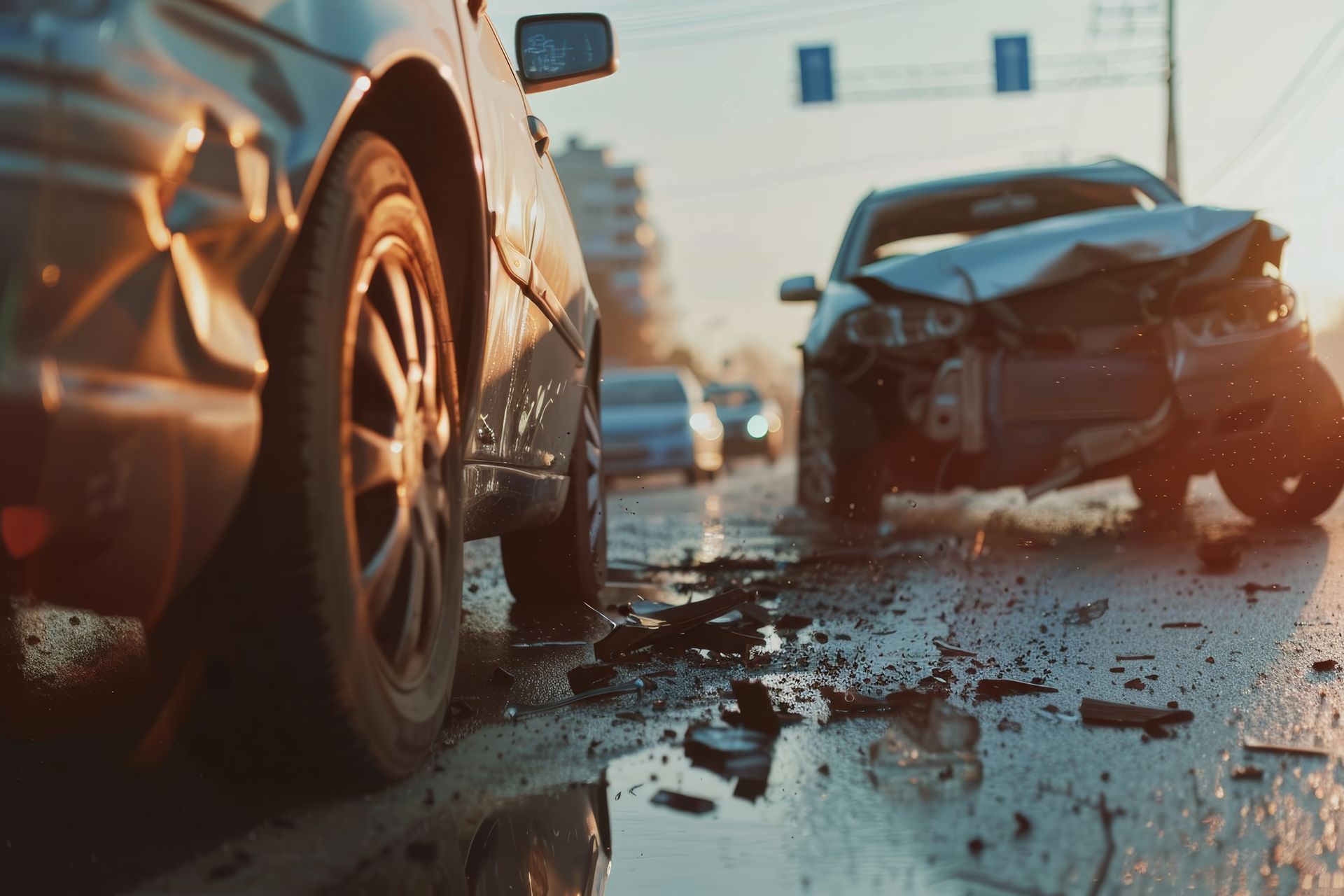
- Pictures of skid marks or debris.
- Road conditions.
- Traffic signs or signals.
- Dashcam footage.
- Nearby surveillance video.
The more documentation available, the easier it may be to reconstruct the events leading up to the crash.
Witness Statements
People who witnessed the accident may provide valuable information about what happened.
Independent witness accounts can sometimes clarify:
- Which vehicle had the right of way.
- Traffic signal changes.
- Driver behavior before the collision.
- Speed or other contributing factors.
Witness testimony may support other evidence collected during the investigation.
Vehicle Damage
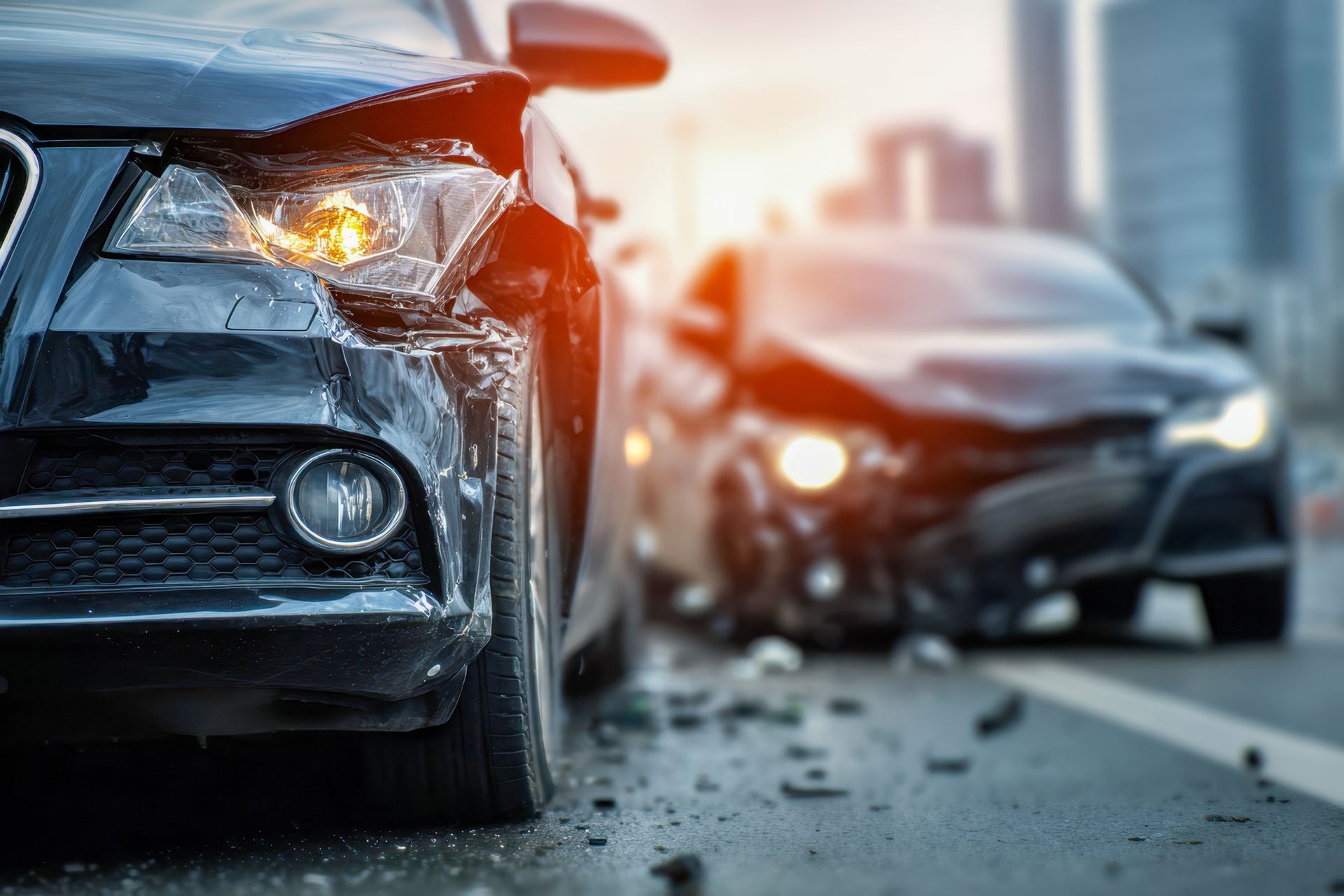
The location and severity of vehicle damage can help investigators understand how a collision occurred.
For example, damage patterns may help demonstrate:
- The direction of impact.
- Whether a vehicle was stopped or moving.
- The type of collision involved.
- The force of the impact.
Vehicle inspections may be used alongside other evidence when determining fault.
Medical Records
Medical records primarily document injuries, but they may also help establish that those injuries resulted from the accident.
Seeking prompt medical attention can create important documentation regarding:
- The nature of your injuries.
- The timing of treatment.
- Recommended medical care.
- Ongoing recovery.
These records can become an important part of a personal injury claim.
Texas Comparative Fault Rules
In some accidents, more than one person may share responsibility.
Texas follows a modified comparative fault system. Depending on the circumstances, responsibility for an accident may be divided among the parties involved. The percentage of fault assigned to each person can affect the amount of compensation that may be available under Texas law.
Because fault determinations can become complicated, it's important to carefully evaluate all available evidence.
Why Legal Guidance Can Help
Insurance companies often conduct their own investigations after an accident. Their conclusions may not always reflect the full picture of what occurred.
A personal injury attorney can help:
- Review available evidence.
- Obtain accident reports.
- Interview witnesses.
- Preserve important documentation.
- Communicate with insurance companies.
- Protect your legal rights throughout the claims process.
Having experienced legal guidance can help ensure that all relevant evidence is considered.
How Spencer Anderson, PLLC Can Help
Determining fault after a car accident often requires a thorough investigation and careful attention to detail. At Spencer Anderson, PLLC, we represent individuals injured in car accidents throughout San Antonio and the surrounding Texas communities. We work to gather evidence, investigate the circumstances of each collision, and pursue the compensation our clients may be entitled to. If you've been injured in a Texas car accident, contact Spencer Anderson, PLLC today to schedule a free consultation.